
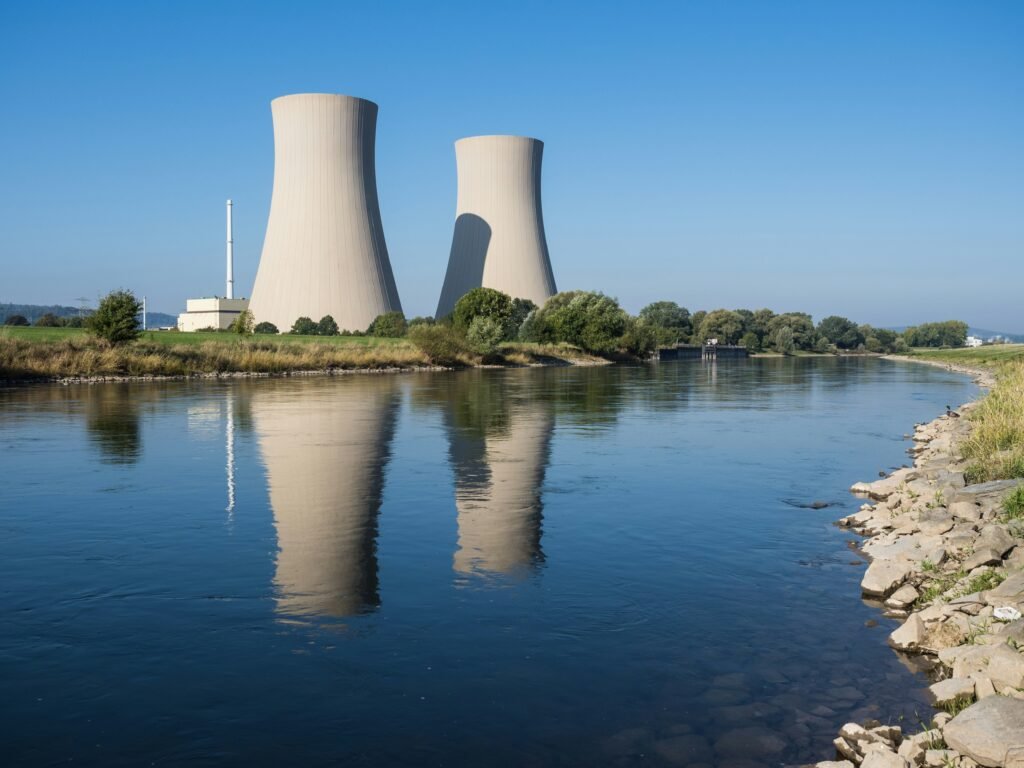
On March 28, 1979, a partial meltdown at the Three Mile Island (TMI) nuclear power plant in Pennsylvania ignited the worst accident in U.S. commercial nuclear history. While the incident itself resulted in no immediate deaths, its true cost was reputational — and it forever changed public trust in both the nuclear industry and government oversight.
What turned a mechanical failure into a national credibility crisis? Poor communication, misinformation, and delayed public engagement. The Three Mile Island (TMI) accident remains a textbook example of how not to handle public affairs during a high-stakes emergency — and why transparency, preparedness, and trust-building must be at the core of any crisis communications strategy.
The Timeline: What Went Wrong at Three Mile Island
The crisis began with a malfunction in the secondary cooling system. A stuck valve, coupled with human error, led to a partial reactor meltdown. But while engineers scrambled behind the scenes, the public was left in the dark.
The first 72 hours were the most crucial — and the most chaotic. Instead of clear updates, there was radio silence, followed by inconsistent messaging. Neither the Nuclear Regulatory Commission (NRC), the plant’s operator (Metropolitan Edison), nor government leaders were aligned. Uncertainty bred fear.
Confusion reigned as reports trickled in through unofficial channels and press speculation surged. A critical window for proactive engagement was missed — one that could have significantly contained the reputational fallout.
Public Affairs Breakdown: A Case of Lost Trust

At the heart of the TMI disaster was a breakdown in the crisis management infrastructure. No unified message. No central spokesperson. No clear communication channels.
Plant officials struggled to explain complex technical issues to the public in plain language. Regulators and elected officials gave conflicting briefings. The result? Panic. Communities questioned whether they were safe — and whether the truth was being hidden.
Operating without a formal crisis management framework in place — one that includes subject matter experts, legal counsel and public affairs who together develop an effective and responsive communication plan — organizations defaulted to technical jargon, reactive statements, and defensive postures. Trust quickly eroded — and has never fully recovered.
Media and Messaging: How Misinformation Took the Wheel
Where communication is absent, speculation takes hold.
News outlets filled the vacuum with alarming headlines and worst-case scenarios. Stories about radiation leaks, mass evacuations, and long-term health risks proliferated, many of them conflicting or unverified.
With no unified voice of truth, misinformation spread faster than facts. Officials were forced to play catch-up in public briefings — further damaging credibility.
One critical example: messages about evacuation fluctuated wildly. Pregnant women and children were advised to leave. Then the advice changed. Then it changed again. The lack of consistent information made citizens feel expendable.
Stakeholder Confusion: Public, Government, and Industry Fallout

Stakeholder coordination was another major failure. The federal government, Pennsylvania officials, and local authorities were not aligned.
Governor Dick Thornburgh, newly sworn into office, declared a state of emergency amid incomplete data. The NRC appeared uncertain in its responses. Local agencies were overwhelmed.
The result? A fragmented crisis response that exposed deep vulnerabilities in institutional readiness and public communication protocols.
In the aftermath, the consequences were seismic: new nuclear plants were canceled, the industry lost momentum, and the NRC underwent major reforms. TMI didn’t just shake public confidence — it reshaped U.S. energy policy.
Reputation Lessons from Three Mile Island
The most powerful lessons of Three Mile Island transcend the nuclear sector. For communicators, this was a case study in what happens when transparency is treated as optional and when emergency preparedness is not When transparency is treated as optional and emergency protocols are neglected, the organization risks severe and lasting reputational harm its long-term financial viability.
Key takeaways:
- Transparency outweighs spin: Waiting too long to release accurate information invites doubt and damages credibility — often permanently.
- Spokespeople matter: Every organization must train internal leaders to be calm, credible, and clear in times of crisis. Ensure you have carefully identified your offical spokespeople to ensure consistent, controlled, and credible messaging
- Preparedness is power: Crisis communication isn’t ad hoc — it’s a rehearsed, integrated strategy with clearly defined roles.
Organizations that hope to survive reputational threats must embed these principles into their DNA.
What Modern Organizations Can Learn
Today’s crises unfold even faster — and on more platforms — than in 1979.
In the digital age, real-time communication is expected. News spreads instantly on social media. Audiences demand transparency. And scrutiny is relentless.
Whether you’re managing a data breach, a regulatory investigation, or a product recall, the rules remain the same:
- Plan before the crisis — not after it begins.
- Designate and train crisis spokespeople in advance.
- Align internal, external, and digital messaging to avoid contradictions.
- Build stakeholder maps and scenario plans that anticipate friction points.
Silence is not strategy. Preparation is.
Hummingbird Communications’ Approach to Crisis Readiness
At Hummingbird Communications, we believe in preparing for unexpected and disruptive events through strategic planning, training, and building a resilient culture. It involves developing plans to effectively respond to and recover from a crisis to minimize damage, protect stakeholders, and maintain operations. If imanaged with clarity, compassion, and strategic foresight, a crisis can become a reputation opportunity.
Our Reputation & Crisis Management services are designed to help clients:
- Integrate reputation and crisis management as part of the overall business strategy.
- Implement risk assessment and modeling, onging monitoring, and intelligence gathering.
- Rehearse real-world scenarios through simulations and rapid-response training.
- Build comprehensive communication plans before a crisis arises.
- Align internal teams and external messages for consistent voice and tone.
- Engage stakeholders with empathy and transparency across all channels.
We specialize in helping public-facing organizations and mission-driven brands lead with trust — even under pressure.
Our team brings expertise in strategic communications, policy, media relations, stakeholder engagement, and strong analytical, digital, and interpersonal skills to manage reputation and crises effectively. And we do it with a values-driven approach focused on equity, clarity, and community trust.
Be Proactive, Not Reactive
The Three Mile Island accident was a mechanical failure — but it became a communications nightmare.
In the end, what damaged public trust most wasn’t the reactor’s malfunction — it was the absence of clear, coordinated, and timely communication from the people in charge.
As your organization navigates high-pressure moments, remember: communication is not a back-end fix — it’s a front-line defense. And how you speak to the public during a crisis will define your reputation for years to come.
Let TMI serve as a cautionary tale — but also as a call to action.
Submit an inquiry today to learn more about how Hummingbird Communications, LLC can proactively maintain your organization’s reputation by applying our tailored strategic communications plans.


Recent Comments