
Today’s workforce is making decisions differently.
It’s no longer just about salary, title, or benefits. People — especially younger and purpose-driven professionals — are asking bigger questions: What does this company stand for? How do they show up in the world? Do their actions match their values?
In other words, talent is paying attention to reputation.
And that’s where public relations (PR) comes in.
Employer branding is no longer just an HR function — it’s a strategic, organization-wide effort driven by how your company communicates, engages, and leads to build reputation and attract talent. It bridges internal culture with external communication to project a unified brand image, with public relations playing a critical role in defining how your organization is perceived — by both internal and external stakeholders.
What Employer Branding Really Means Today
Employer branding used to live mostly in recruiting materials and internal culture decks. Today, it’s much broader — and much more visible.
It’s the sum of how your organization is perceived as a place to work, both internally and externally. That includes:
- Your corporate reputation
- Your stance on social and policy issues
- Your presence in the media
- Your leadership’s voice and visibility
- Your engagement with communities and stakeholders
Every public-facing action contributes to how your brand is experienced by talent.
And here’s the key: candidates are doing their homework. They’re reading articles, watching how companies respond to challenges, and paying attention to how organizations show up in real time.
Why Public Relations Matters More Than Ever


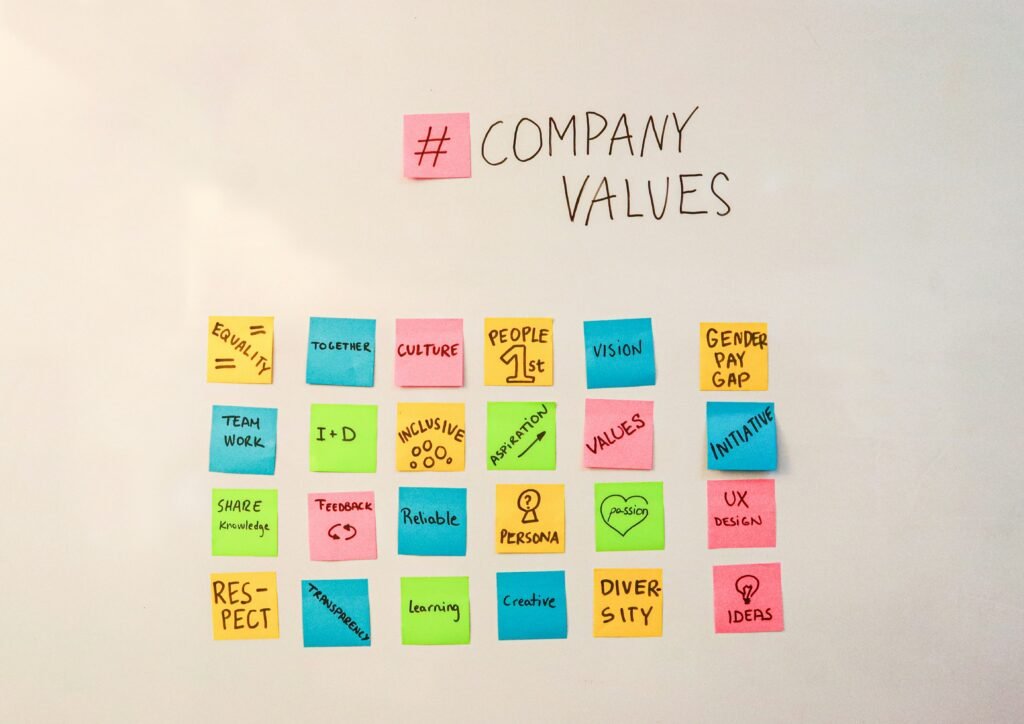
Public relations is primarily associated with managing reputation, shaping public perception, and handling external communications — but its influence goes significantly deeper than external image-building. PR plays a critical role in internal communications and talent retention by acting as a bridge between management and employees.
At its best, the strategic function of PR shapes:
- Trust and credibility
- Alignment with public expectations
- Visibility in key conversations
- Consistency in messaging across audiences
In essence, modern public relations is shifting from purely external promotion to a “people-first” approach that recognizes employees as a primary audience — brand ambassadors and stakeholders — thereby fostering loyalty and reducing staff turnover.
What your organization communicates externally doesn’t stay external. It directly impacts how your employees feel internally. When messaging and action is clear, consistent, and authentic, it reinforces trust. When it’s not, it creates friction and impacts reputation.
Where Public Relations Meets Talent Strategy
The connection between PR and employer branding becomes even clearer when you break it down into a few core areas. They represent the strategic, reputational, and operational alignment necessary to turn an organization into an employer of choice.
1. Purpose and Positioning
People want to work for organizations that stand for something.
Public relations helps define and communicate that purpose — whether it’s through thought leadership, community engagement, or policy alignment. When done well, it tells a clear story about who you are and why you matter.
And that story is often what attracts top talent in the first place.
2. Reputation and Trust
Reputation isn’t just a marketing asset — it’s a talent asset.
When your organization consistently demonstrates transparency, responsibility, and leadership, it builds credibility with external audiences and internal teams. Employees feel more confident. Candidates feel more interested.
Trust becomes a competitive advantage.
3. Consistency Across Channels
Today’s audiences experience your brand across multiple touchpoints:
- Social media
- News coverage
- Internal communications
- Leadership messaging
If those messages feel disconnected, it creates confusion. But when they align, they reinforce each other.
This is where integrated strategic communications becomes essential — ensuring that your voice, vision, and values show up consistently everywhere.
The Risk of Getting It Wrong
Misalignment between what a company says and what it does is one of the fastest ways to lose trust.
We’ve seen it happen:
- Organizations promote values externally that employees don’t experience internally
- Messaging shifts during a crisis without clear explanation
- Leadership communication feels disconnected from reality
The result?
- Talent attrition
- Recruitment challenges
- Public skepticism
Authenticity isn’t optional anymore — it’s expected.
How Public Relations Drives Talent Attraction and Retention
When PR is aligned with your employer brand, it becomes a powerful tool — not just for communication, but for growth.
Attracting the Right Talent
Candidates today are looking beyond job descriptions. They’re evaluating companies based on purpose, impact, and reputation.
Public relations content — whether it’s media coverage, policy engagement or community involvement — helps shape that perception. It tells candidates: This is who we are, and this is what we stand for.
Strengthening Employee Engagement
Employees want to feel proud of where they work.
When organizations engage meaningfully with stakeholders, lead with transparency, and communicate clearly, it reinforces internal culture. People feel connected to the mission — not just the job.
Turning Employees Into Advocates
When internal culture and external messaging are in strategic alignment, something powerful happens — the organization unlocks its most potent asset: employee advocacy.
They share, support, and amplify the brand — not because they’re asked to, but because they believe in it.
That kind of advocacy is authentic — and incredibly valuable. It carries a level of trust that corporate marketing simply cannot buy. Because while a brand can claim its values, an employee proves them.
How Hummingbird Communications Supports Employer Branding
At Hummingbird Communications, we view employer branding as more than a communications challenge — it’s a strategic opportunity to foster deep employee engagement, reduce turnover, and cultivate an authentic workplace culture that turns employees into brand advocates, and creating a compelling, long-term competitive edge.
Our approach focuses on:
- Aligning external messaging with internal culture
- Strengthening stakeholder engagement across audiences
- Building trust through integrated communication strategies
- Ensuring consistency across PR, public affairs, media, and internal channels
We help organizations bridge the gap between what they say and what they do — so their brand resonates with both stakeholders and employees.
Because when communication is aligned, trust follows.
Best Practices to Strengthen Your Employer Brand Through Public Relations
If you’re looking to elevate your employer brand, here are a few practical starting points:
- Define your purpose clearly — and both communicate and live it consistently
- Ensure alignment between internal culture and external messaging
- Engage stakeholders authentically, not just strategically
- Empower leadership to be visible and credible communicators
- Continuously monitor perception and adapt as needed
These aren’t just communication tactics — they’re trust-building strategies.
Looking Ahead: The Future of Talent and PR
The expectations around transparency, accountability, and purpose aren’t going away — they’re growing.
We’re seeing:
- Increased scrutiny of corporate values
- A rise in employee activism
- Greater demand for authenticity in leadership
In this environment, public realtions and more broadly, integrated strategic communications, will continue to play a central role — not just in shaping public perception, but in shaping workforce engagement.
Reputation Is Your Recruitment Strategy
At the end of the day, employer branding isn’t built in isolation — it’s built through action, communication, and consistency.
Public relations helps bring those elements together.
It shapes how your organization is perceived. It reinforces your purpose. And it ensures that your message reaches the audiences who matter most — including your current and future employees.
Because in today’s talent market, reputation isn’t just part of the strategy.
It is the strategy.
Learn how strategic and purpose-driven communication can elevate your employer brand and position your organization as a destination for top talent by visiting www.hummingbirdcommunications.org.


Recent Comments