
The future of energy depends on two interlocking systems: physical infrastructure and the social trust built through strategic communication. Together, they determine whether projects move forward, gain support, or stall entirely.
While engineering and innovation are essential, infrastructure alone cannot deliver success in this evolving energy landscape. Modern systems must be paired with community-centric storytelling that proves local value, affordability, and resilience for all stakeholders.
The energy transition is one of the most complex transformations in modern history. These two forces, the grid and the narrative, determine not only how energy is delivered, but also whether we achieve the speed of execution required for a successful era of energy diversification. Infrastructure alone will not define our success. Communication will.
The Energy Transition: Complexity Beyond Technology


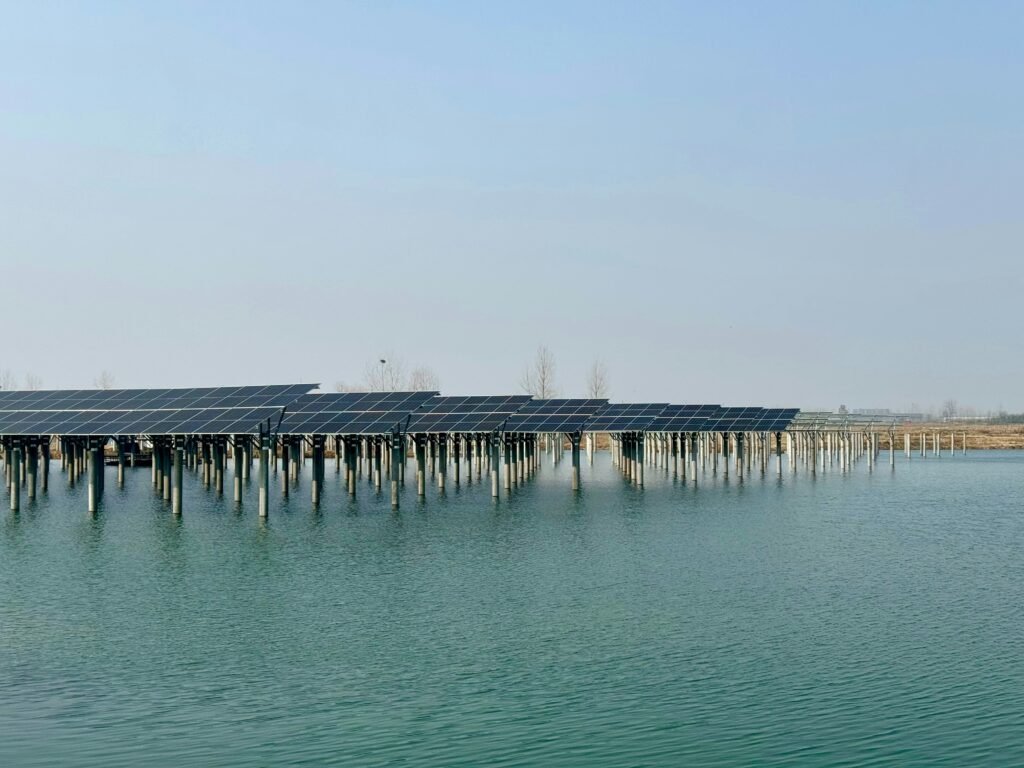
The shift toward a cleaner, more resilient energy system is being driven by multiple forces including urgent climate goals, tumbling technology costs, and energy security concerns. Renewable energy sources such as solar and wind are expanding rapidly, while energy storage has become a vital, widely used solution for grid stability. Electrification is accelerating across sectors, from electric vehicles to data centers and industrial operations. At the same time, utilities are working to modernize the grid to improve reliability and resilience.
But this transformation is not without challenges.
Demand is rising faster than infrastructure can keep up. Crucially, as we build out this new system, traditional assets, particularly natural gas, remain a critical player, providing the essential baseload power and firm, dispatchable energy needed to ensure grid stability while renewables scale. Interconnection bottlenecks are delaying projects. Supply chain constraints and workforce shortages are extending timelines. And permitting processes remain complex and time-consuming.
Adding to this complexity is visibility. Energy projects are no longer behind-the-scenes operations. They are highly visible, often controversial, and subject to scrutiny from communities, regulators, investors, and the media.
The Stakeholder Landscape: More Voices, Higher Stakes
Today’s energy projects must navigate a diverse and often competing set of stakeholders.
Local communities want to understand how projects will impact their environment and quality of life. Regulators and policymakers must balance reliability, affordability, and sustainability. Investors are increasingly focused on ESG performance. Advocacy groups bring additional perspectives and pressure.
These stakeholders often have competing priorities:
- Economic development vs. environmental protection
- Reliability vs. cost
- National energy goals vs. local concerns
The reality is clear: even technically sound projects can fail without stakeholder alignment.
Where Projects Break Down: The Communication Gap
Many energy projects do not fail because of flawed engineering, they fail because of flawed communication.
As artificial intelligence and energy demands create pressure for faster, larger infrastructure projects, the ability to build trust and effectively communicate to a broad range of stakeholders is more critical than engineering capability.
A lack of early stakeholder engagement can lead to mistrust and resistance. Technical messaging often fails to translate into language that resonates with non-expert audiences. And reactive communication strategies leave organizations constantly responding to concerns instead of shaping the conversation.
The consequences are significant:
- Community opposition and “Not In My Backyard” dynamics
- Regulatory delays or project cancellations
- Long-term reputational damage
The key insight is this: the barrier to progress is often not engineering, it is perception.
The Role of Public Affairs: Bridging the Gap
Public affairs plays a critical role in closing this gap. Today, it is no longer just about messaging, it is a strategic business imperative.
At its best, public affairs bridges policy goals with project reality, aligning communication with operations and stakeholder expectations to mitigate risk, secure social licenses to operate, and ensure projects are successfully executed.
Building Trust Through Transparency
Clear, consistent, and data-driven communication helps stakeholders understand both the benefits and trade-offs of energy projects. Transparency builds trust and trust is essential for gaining support.
Influencing Policy and Outcomes
Engaging regulators early in the process helps organizations navigate permitting and compliance more effectively. Public affairs also plays a key role in shaping the broader narrative around energy projects, ensuring that decisions are informed by accurate information.
PR in the Energy Transition: Shaping the Narrative
Perception Through Proof
In the energy transition, effective PR bridges the gap between technical proof and public trust. By leading with results, you shape the narrative instead of letting headlines and misinformation define your story.
The Power of Human-Centric Storytelling
Energy projects are not just technical, their impact is human. Effective PR translates complex infrastructure into relatable benefits: economic growth, environmental stewardship, and community resilience; moving the story from grid to household.
Crisis Communication Readiness
In any transition, opposition is inevitable. Organizational readiness means deploying established proof and a trust bank of ethical actions to respond consistently, preserving your social license and credibility under pressure
The Strategic Imperative: Integrating Public Affairs and PR for Impact
Public affairs and public relations are most effective when they function as a unified Strategic Communications engine. By integrating these disciplines, organizations dismantle internal silos to align public narrative with policy goals, ensuring that every touchpoint, from regulatory filings to employee communications and social campaigns, serves a singular mission.
True strategic alignment bridges internal functions, including operations, legal, and communications ensuring consistent messaging across all platforms.
When these functions are integrated, organizations benefit from:
- Stronger credibility
- Faster project approvals
- Reduced risk of misalignment
Ultimately, this unity builds trust, and trust accelerates progress.
A Strategic Framework for Energy Communication Success
To succeed in the energy transition, organizations must adopt a proactive and integrated approach to communication. Building trust requires understanding community needs and fostering relationships before issues arise to ensure long-term legitimacy.
Map the Local Landscape
Identify key stakeholders, analyze their unique needs, interests and potential impacts to chart the local community dynamics.
Start Early
Engage stakeholders before decisions are finalized. Early engagement builds trust and reduces resistance.
Translate Complexity
Energy systems are complex, but communication should not be. Clear, relatable messaging helps stakeholders understand the value of projects.
Prioritize Community Engagement
Building relationships is more effective than simply raising awareness. Engagement should be ongoing and sincere, not transactional.
Align Messaging with Action
Communication must reflect reality. Operational decisions should reinforce messaging, not contradict it.
Measure and Adapt
Establish continuous feedback loops that actively shape project decisions, while utilizing measurable metrics to track engagement effectiveness and community sentiment over time.
Prepare for Scrutiny
Anticipating questions, concerns, and opposition allows organizations to respond confidently and effectively.
From Risk to Advantage: The Business Case for Public Affairs and PR
Organizations achieve a powerful strategic advantage when they align public affairs and PR, creating a unified, high-impact voice.
Effective integrated strategic communication reduces delays and associated costs by smoothing the path through permitting and approval processes. By leveraging data-driven decision-making and real-time AI sentiment tracking, teams can address issues before they escalate. These strong stakeholder relationships lead to more predictable project execution, while a positive reputation enhances influence with policymakers and the public.
In this environment, communication is not just about risk mitigation, it is a driver of value creation.
The Future: Powering the Grid and the Narrative
The energy transition will continue to accelerate, and the role of the strategic communications will only become more important.
Organizations that invest in communications today will be better positioned to lead tomorrow. They will not only build infrastructure, they will shape the narrative that defines the future of energy.
At Hummingbird Communications, we believe that communication is not a supporting function, it is a strategic imperative, after all, in today’s business climate, “Every Word and Action Matters.”
Infrastructure Alone Is Not Enough
Grid transformation requires both technical and communication excellence.
Harmonizing PR and public affairs ensures that projects are understood, supported, and successfully executed. They build trust, align stakeholders, and enable progress.
The organizations that succeed in the energy transition will be those that can power both the grid and the narrative.
Learn how Hummingbird Communications helps organizations power both the grid and the narrative, because successful energy transformation requires more than infrastructure.


Recent Comments