
In today’s interconnected world, the success of an environmental project hinges not only on technical execution—but on public perception. A minor delay can become a media firestorm, and a misunderstood cleanup effort can trigger community protests. In this landscape, crisis communication isn’t optional. It’s essential.
For companies navigating environmental remediation, infrastructure overhauls, or sustainability rollouts, reputation is their most valuable asset. And when that asset is at risk, strategic communication can mean the difference between lasting trust and irreversible damage.
The High Stakes of Environmental Communication
Environmental projects—whether a Superfund cleanup, a groundwater treatment site, or a solar farm installation—often carry public scrutiny. Communities want to know:
- What are the health impacts?
- Who’s responsible?
- How will we be informed?
Unfortunately, many organizations don’t think about communication until it’s too late. Delays in transparency, poor messaging, or failure to engage diverse voices can spiral into misinformation and mistrust. A well-crafted crisis communication plan anticipates these risks and builds credibility before the crisis hits.
What Is Crisis Communication—And Why It’s Different in Environmental Work
Crisis communication is the practice of managing messaging and public perception during emergencies, disruptions, or unexpected events. Unlike general public relations, it is fast-moving, high-stakes, and deeply rooted in trust, clarity, and community impact.
In environmental contexts, crisis communication takes on unique urgency due to:
- Public health implications
- Environmental justice concerns
- Multi-agency regulatory oversight
- Cultural and linguistic diversity among stakeholders
It’s not about spinning the facts—it’s about communicating facts clearly, listening intently, and acting with accountability.
The Core Components of an Effective Crisis Communication Plan

A crisis plan is only as strong as its foundation. Here are six essential elements every environmental organization should implement:
1. Risk Assessment and Scenario Planning
Every project carries risk. Whether it’s a chemical release, a construction accident, or a community backlash, anticipating “what if” scenarios is key. A strong plan outlines potential crises, assesses likelihood and impact, and maps out step-by-step response protocols.
2. Clear, Bilingual Messaging
Technical jargon and legalese don’t build trust—accessibility does. Ensure all public materials are translated and culturally competent. Use infographics, visuals, and plain language to explain environmental impacts, timelines, and safety measures.
3. Designated Spokesperson and Chain of Command
Who speaks matters. Assign trained spokespersons with an effective communication style that demonstrates competence and reliability, and a demeanor that builds trust by conveying honesty, transparency, and empathy. Establish a clear communication hierarchy so that messaging is unified across departments and agencies.
4. Community Engagement Before and During a Crisis
Trust is earned before a crisis, not during it. Build community relationships through listening sessions, open houses, and email updates well before a potential event. During a crisis, maintain two-way communication to answer questions and listen to concerns in real time.
5. Coordination with Regulatory Bodies and the Media
Align with agencies like the EPA, DEC, and local environmental authorities. Contradictory messages confuse the public and erode trust. Prepare holding statements, fact sheets, and media kits in advance.
6. Real-Time Monitoring and Course Correction
Track what’s being said online and in the news. Monitor misinformation and adjust your response accordingly. Crisis communication is not static—it evolves based on community sentiment and new information.
Pitfalls to Avoid in Environmental Crisis Messaging
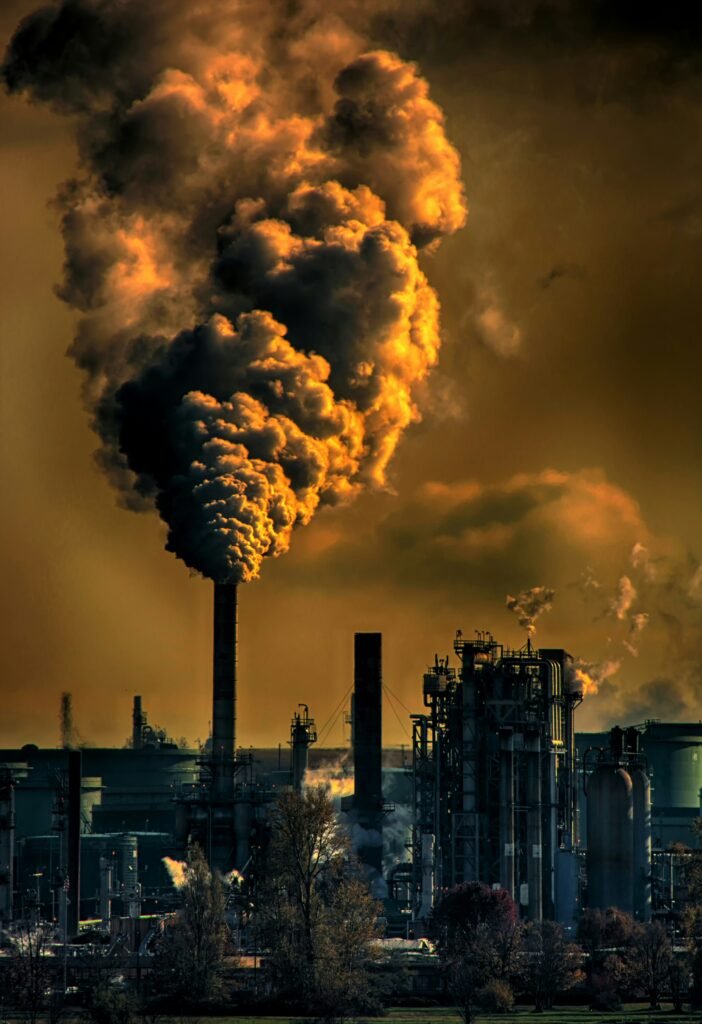


Even well-meaning organizations can fumble their response. Avoid these common errors:
- Delaying communication: Silence creates a vacuum filled by speculation.
- Overly technical messaging: If the public can’t understand it, it won’t build trust.
- Neglecting marginalized communities: One-language flyers won’t reach everyone.
- Mixed messages across agencies: Consistency is key.
- Forgetting the follow-up: Long after the incident, the public wants updates.
Why Reputation Is the Real Asset
Reputation is more than brand—it’s credibility, license to operate, and future viability. Without public trust, even the most environmentally sound projects can stall or fail. Crisis communication is about more than managing headlines. It’s about demonstrating responsibility in the moments that matter most.
At Hummingbird Communications, our 3E approach—Ethical, Effective, Expertise— ensures that clients are ready, responsive, and resilient. We believe that how you communicate during a crisis says everything about your values.
How Hummingbird Communications Supports Crisis-Ready Clients
Hummingbird Communications offers a suite of public affairs services tailored to environmental and community-sensitive contexts. Our crisis communication offerings include:
✔ Crisis communication planning and simulation training
✔ Environmental justice messaging for underserved communities
✔ Media relations and spokesperson coaching
✔ Coordination with regulatory agencies and technical consultants
✔ Stakeholder engagement campaigns with bilingual materials
Our communications aren’t just responsive—they’re strategic, inclusive, and mission-aligned. We help you turn risk into reputation—and community concern into public confidence.
Communicate Early. Communicate Often. Communicate With Purpose.
Every environmental project carries risk. But with the right communication strategy, that risk can be transformed into opportunity.
Public trust is not guaranteed—it’s earned through transparency, timely updates, and active listening. In a crisis, your voice matters. Your strategy matters. And your reputation depends on both.
Turn communication risks into reputation opportunities with crisis strategies that resonate across communities.
Let Hummingbird Communications, LLC help you build a communication framework that doesn’t just protect your project—it protects your purpose.


Recent Comments