
Today, organizations are judged by more than just outcomes — they’re evaluated by how well they understand and engage the people around them. Whether it’s a local community, a regulatory body, internal leadership or staff, perception matters just as much as performance.
That’s why public affairs has evolved. It’s no longer reactive. It’s proactive, data-driven, and rooted in insight.
At the center of this evolution are two foundational tools: stakeholder mapping and community assessments. These aren’t optional exercises — they’re strategic necessities, especially in complex industries like energy, infrastructure, and development.
Because at the end of the day, successful public affairs begins with one critical question: Do you truly understand the people your work impacts?
What Is Stakeholder Mapping? Identifying Influence and Impact
Stakeholder mapping is the process of identifying, categorizing, and prioritizing the individuals and groups that influence — or are influenced by — your organization.
But it’s more than just building a list. It’s about understanding relationships, influence, and alignment.
Key stakeholder groups often include:
- Regulators and policymakers
- Local communities and advocacy organizations
- Business partners and investors
- Internal stakeholders, including employees and leadership
From there, stakeholders are evaluated across key dimensions:
- Level of influence vs. level of interest
- Degree of support vs. opposition
This framework allows organizations to:
- Focus engagement where it matters most
- Allocate time and resources strategically
- Avoid blind spots that could turn into risks
When done correctly, stakeholder mapping becomes a strategic tool — not just a communications exercise.
What Are Community Assessments? Understanding Sentiment and Context



If stakeholder mapping tells you who matters, community assessments tell you what they think — and why.
Community assessments combine qualitative and quantitative insights to evaluate public sentiment and local context. These insights are gathered through:
- Surveys and polling
- Community listening sessions
- Social media and digital sentiment analysis
- One-on-one stakeholder interviews
But data alone isn’t enough. Context is everything.
Understanding cultural dynamics, historical relationships, and local concerns — whether economic, environmental, or social — can completely reshape how a message is received.
Community assessments help organizations uncover:
- Perception gaps between intent and reality
- Emerging risks before they escalate
- Opportunities to align messaging with community priorities
In short, they replace assumptions with clarity.
From Data to Strategy: Turning Insight into Action
Collecting data is one thing — using it effectively is another.
The real value of stakeholder intelligence lies in how it informs strategy.
When properly integrated, these insights shape:
- Messaging strategy: What you say — and how you say it
- Engagement timing: When to communicate and when to listen
- Channel selection: Where your message will resonate most
This is where organizations shift from reactive to proactive public affairs.
Instead of responding to issues after they arise, they:
- Anticipate concerns before they escalate
- Address misinformation early
- Engage stakeholders with purpose and precision
And when stakeholder intelligence is integrated across public affairs, public relations, and digital communications, messaging becomes consistent, credible, and impactful.
Risk Mitigation and Reputation Protection
One of the most overlooked benefits of stakeholder intelligence is its role in preventing problems before they begin.
Without it, organizations risk:
- Community opposition
- Regulatory delays
- Reputational damage
But with the right insights in place, they can:
- Identify potential critics early
- Prepare tailored messaging and responses
- Build credibility before conflict arises
The reality is simple: The best crisis strategy is early understanding.
At Hummingbird Communications, this philosophy is central to how we approach reputation and crisis management. By grounding communication strategies in real stakeholder insight, we help clients stay ahead of risk — not behind it.
Strengthening Relationships Through Targeted Engagement
Effective public affairs isn’t about broadcasting messages — it’s about building relationships.
And relationships require relevance and trust.
When organizations understand their stakeholders, they can:
- Tailor messaging to specific audiences
- Communicate with transparency and consistency
- Engage in meaningful, two-way dialogue
This transforms communication from transactional to relational.
Over time, the benefits are clear:
- Increased community support
- Stronger partnerships
- Greater alignment with policy and regulatory priorities
This is the foundation of long-term success — and a core component of Hummingbird’s stakeholder engagement approach.
Industry Relevance: Why This Matters More Than Ever

Stakeholder intelligence isn’t just a best practice — it’s a competitive advantage.
In industries like:
- Energy and renewable development
- Infrastructure and construction
- Financial services and other regulated sectors
…the stakes are higher than ever.
Organizations face:
- Increased ESG expectations
- Growing community activism
- Heightened regulatory scrutiny
In this environment, public perception doesn’t just influence reputation — it influences policy, timelines, and outcomes.
Those who invest in understanding their stakeholders are better positioned to lead the narrative.
The Hummingbird Approach: Data-Driven, Purpose-Led Engagement
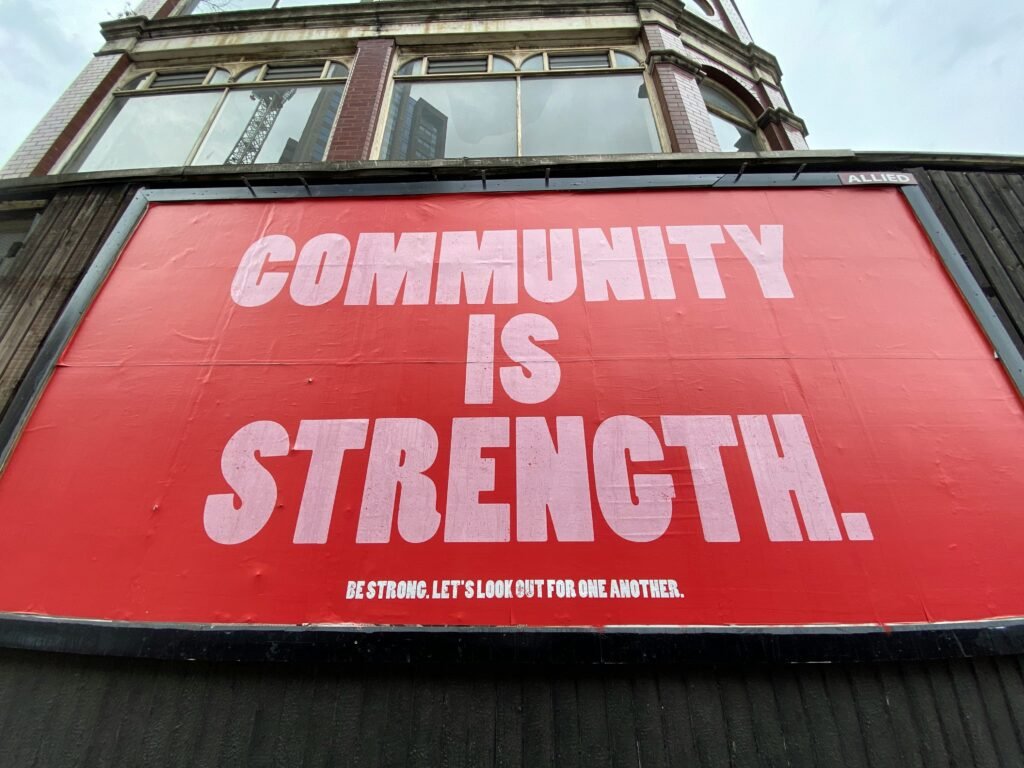
At Hummingbird Communications, stakeholder mapping and community assessments are not standalone services—they are integrated into a broader strategic framework to deliver lasting value.
Our approach is simple, but powerful:
Insight → Strategy → Execution → Measurement
Guided by our 3E philosophy:
- Ethical: Grounded in transparency and integrity
- Effective: Driven by data and measurable outcomes
- Expertise: Built on decades of public affairs experience
We integrate these insights across:
- Stakeholder engagement strategies
- Reputation and crisis management
- Digital media and communications
- Environmental and social responsibility initiatives
This allows us to:
- Align messaging with stakeholder expectations
- Navigate complex regulatory environments
- Build trust that lasts beyond a single project
Insight Is the New Influence
In today’s landscape, influence isn’t driven by volume — it’s driven by understanding.
Organizations that rely on assumptions will always be reacting.
Organizations that invest in insight will lead.
Stakeholder mapping and community assessments:
- Reduce risk
- Strengthen strategy
- Build lasting relationships
And most importantly, they position organizations to engage with purpose, clarity, and credibility.
Because the future of public affairs belongs to those who listen first — and communicate with intention.
Discover how Hummingbird Communications, LLC’s data-driven stakeholder mapping and community assessments help you anticipate challenges, align messaging, strengthen your public affairs strategy, and drive tangible business growth.


Recent Comments