
For decades, organizations competed for attention. Today, they compete for trust.
Brand awareness was once considered the gold standard of communications success. The formula seemed straightforward: the more people who recognized your organization, the greater your opportunity for growth, influence, and market share.
But today’s environment has fundamentally changed that equation.
In an era defined by information overload, misinformation, declining institutional trust, and heightened stakeholder expectations, visibility alone is no longer enough. Organizations are discovering that reputation, not recognition, is becoming their most valuable asset.
Welcome to the Reputation Economy, where trust, credibility, and stakeholder confidence have become more valuable than awareness alone.
What Is the Reputation Economy?
The Reputation Economy is a business environment where organizational success is increasingly determined by stakeholder trust rather than simply brand recognition.
Historically, organizations measured communications success through metrics such as reach, impressions, visibility, and market share. While these indicators remain important, they no longer tell the complete story.
Today’s leaders are focusing on different measures:
- Trust and credibility
- Stakeholder confidence
- Reputation capital
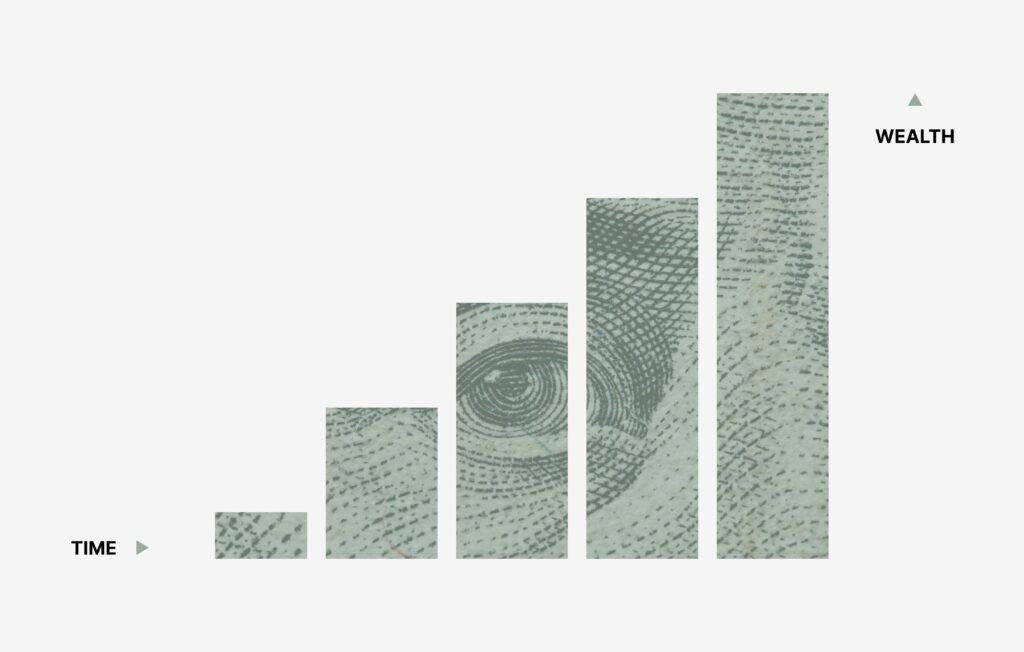
Reputation Capital refers to the goodwill, confidence, and trust an organization earns over time through consistent actions and communication. Like financial capital, it can be invested, strengthened, or depleted.
Organizations that cultivate strong reputations are often better positioned to navigate challenges, attract support, and sustain long-term growth.
The new competitive advantage is no longer simply being known. It is being trusted.
Why Trust Is Declining Across Institutions

Organizations are operating during a period of unprecedented skepticism.
Information is more accessible than ever, yet public confidence in institutions continues to face challenges. Social media accelerates both information and misinformation. Stakeholders are exposed to competing narratives, conflicting perspectives, and an endless stream of content competing for their attention.
This environment has created what many describe as a trust crisis.
At the same time, stakeholder expectations are rising.
- Employees want transparency from leadership.
- Customers expect authenticity.
- Investors increasingly evaluate governance and credibility.
- Communities demand meaningful engagement.
- Regulators expect accountability.
Organizations are no longer judged solely by what they say.
They are judged by what they do, how consistently they act, how quickly they respond, and whether their actions align with their stated values. This shift has elevated reputation from a communications concern to a business imperative.
Why Reputation Is More Valuable Than Awareness
Brand awareness opens doors. Trust keeps them open. Visibility can create recognition, but recognition alone does not create loyalty, confidence, or support.
Consider two organizations. One is highly visible but frequently criticized for inconsistent actions and poor stakeholder engagement. The other may have less visibility but is known for transparency, reliability, and integrity. Which organization would you trust as an employee? As a customer? As an investor?
Stakeholders increasingly buy confidence, not just products or services.
Trust influences:
- Purchasing decisions
- Employee retention
- Investor confidence
- Regulatory relationships
- Community support
The consequences of lost trust are often severe. Organizations can recover from low visibility. They can recover from market challenges. They can even recover from competitive setbacks.
Recovering from broken trust is significantly more difficult. Credibility failures, ethical lapses, and stakeholder betrayals can create lasting damage that extends far beyond a single news cycle.
The critical question is no longer, “Do people know our brand?” It is, “Do people believe in it?”
Reputation as a Business Asset
Strong reputations create measurable business value across four primary pillars:
Revenue
Customers are more likely to support organizations they trust. Trust drives loyalty, repeat business, referrals, and long-term customer relationships. In many industries, reputation serves as a deciding factor when products, services, and pricing appear similar.
Talent
Today’s workforce increasingly seeks purpose-driven organizations with transparent leadership and strong cultures. Employees want to work for organizations whose values align with their own. A strong reputation helps attract and retain top talent.
Investment
Investors evaluate more than financial performance. Leadership credibility, governance practices, and long-term sustainability increasingly factor into investment decisions. Trust in leadership often influences confidence in organizational performance.
Policy Outcomes
Organizations with strong reputations often experience greater success in public affairs and stakeholder engagement efforts. Trust can strengthen regulatory relationships, improve community support, and facilitate constructive dialogue around complex issues.
The Role of Communications in Building Trust
Reputation is not built through advertising alone — it is forged through communication that extends far beyond messaging.
Ultimately, trust is shaped by:
- What organizations say.
- What organizations do.
- How consistently they act.
- How effectively they engage stakeholders.
In today’s landscape, authenticity is non-negotiable.
Stakeholders are adept at identifying generic corporate jargon, and performative commitments. They expect communications to be honest, relevant, and backed by tangible action.
Equally critical is transparency.
Organizations that openly share their successes, challenges, trade-offs, and lessons learned consistently earn greater credibility than those that only highlight positive news.
At Hummingbird Communications, our philosophy is simple: every word and action matters.
Reputation is not built through a single campaign or announcement. It is built incrementally through every interaction, every commitment, and every conversation.
Common Reputation Mistakes Organizations Make
Despite the clear value of a strong reputation, many organizations continue to make critical, avoidable mistakes.
Prioritizing Visibility Over Credibility
Focusing heavily on generating attention rather than building genuine trust. Chasing impressions instead of influence, and publicity instead of credibility. Attention without trust rarely produces sustainable results.
Reactive Reputation Management
Waiting until a crisis emerges before addressing reputation concerns. By that point, stakeholders have often already formed negative opinions. Strong reputations must be built intentionally before challenges arise.
Misaligning Words and Actions
Nothing damages trust faster than inconsistency. Organizations that make promises they cannot fulfill or promote values they do not actively demonstrate, create credibility gaps that stakeholders quickly recognize and call out.
Ignoring Stakeholder Feedback
Communication is not a one-way process. Organizations that fail to listen to employees, customers, communities, and other stakeholders miss opportunities to strengthen relationships and address vulnerabilities proactively.
Building Reputation Capital: A Strategic Framework
Organizations seeking to thrive in the Reputation Economy should focus on five core principles to build and protect their brand.
1. Lead with Transparency:
Communicate proactively and address emerging internal or public concerns early, before external narratives take shape.
2. Prioritize Stakeholder Relationships
Engage consistently across your network rather than only when crises or issues arise.
3. Align Actions with Messaging
Ensure day-to-day organizational behavior reinforces stated company values and public commitments.
4. Invest in Reputation Before You Need It
Treat reputation management as a long-term preventative strategy for your brand, not just an emergency response mechanism.
5. Measure Trust Alongside Awareness
Track stakeholder sentiment, employee confidence, community support, and reputation indicators — not just visibility metrics.
The Future of Competitive Advantage
The organizations that succeed in the coming decade will increasingly be judged on:
- Credibility
- Integrity
- Accountability
Trust-based leadership is becoming a defining characteristic of successful organizations.
Strong reputations create resilience. They help organizations navigate crises, manage change, and recover more quickly when challenges emerge. As a result, the communications function is evolving into strategic infrastructure that supports growth, risk management, and stakeholder alignment.
Organizations that recognize this shift will be better positioned to lead.
Trust Is the New Currency
Awareness may attract attention, but trust sustains success.
From a corporate perspective, the Reputation Economy has transformed from a “soft” PR metric into a quantifiable, board-level financial asset class.
In fact, data from the landmark Burson Global Reputation Study reveals that corporate reputation now has measurable value: companies with strong reputations can realize as much as 4.78% in additional unexpected annual shareholder returns, creating a global “Reputation Economy” worth an estimated $7.07 trillion.
Because public perception directly influences stakeholder relationships, organizational resilience, and long-term business performance, forward-thinking organizations are prioritizing trust and credibility above mere visibility.
In the modern Reputation Economy, the companies that thrive will not necessarily be the loudest. They will be the most trusted.
Learn how Hummingbird Communications helps organizations build, protect, and strengthen reputation through strategic communications, stakeholder engagement, and proactive public affairs.


Recent Comments