
Most Americans rely every day on organizations they have never heard of to keep the lights on.
Behind the scenes of the U.S. energy system, are seven Regional Transmission Organizations (RTOs) and Independent System Operators (ISOs): PJM, MISO, ERCOT, SPP, NYISO, ISO-New England, and CAISO. Together, these organizations act as the “air traffic controllers” of the electric grid, managing wholesale electricity markets and balancing power supply across regions serving roughly two-thirds of the U.S. population.
For decades, these operators quietly fulfilled their mission with little public visibility. But the energy transition is changing that reality. As renewable integration accelerates, electricity demand surges, and infrastructure debates intensify, RTOs and ISOs can no longer remain behind-the-scenes technical operators. They must evolve into proactive communicators and public affairs leaders.
Understanding the Role of RTOs and ISOs
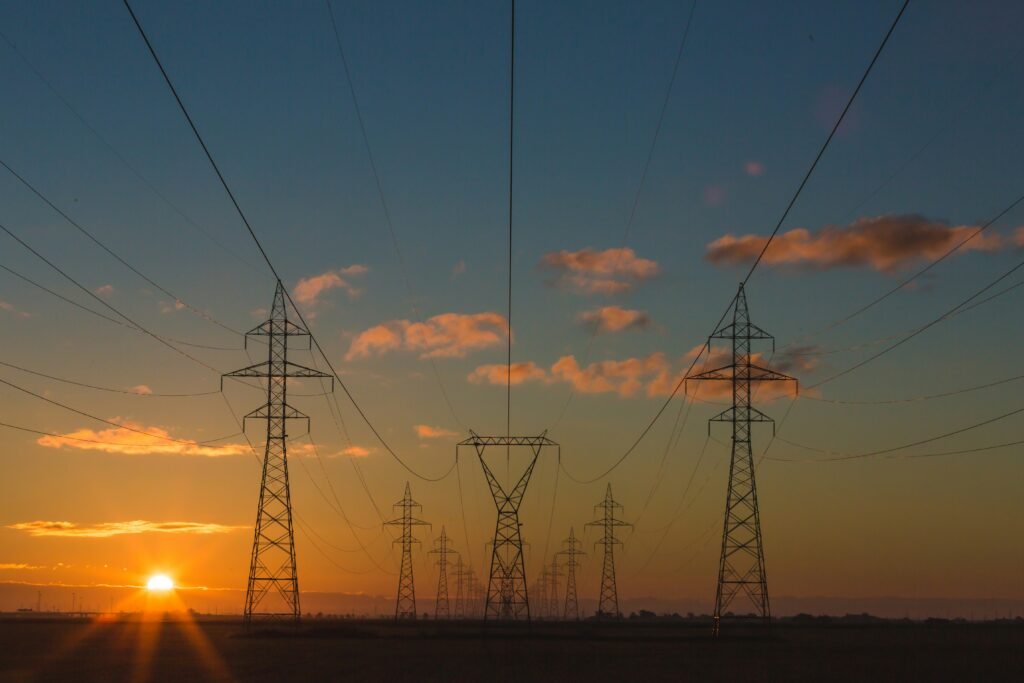
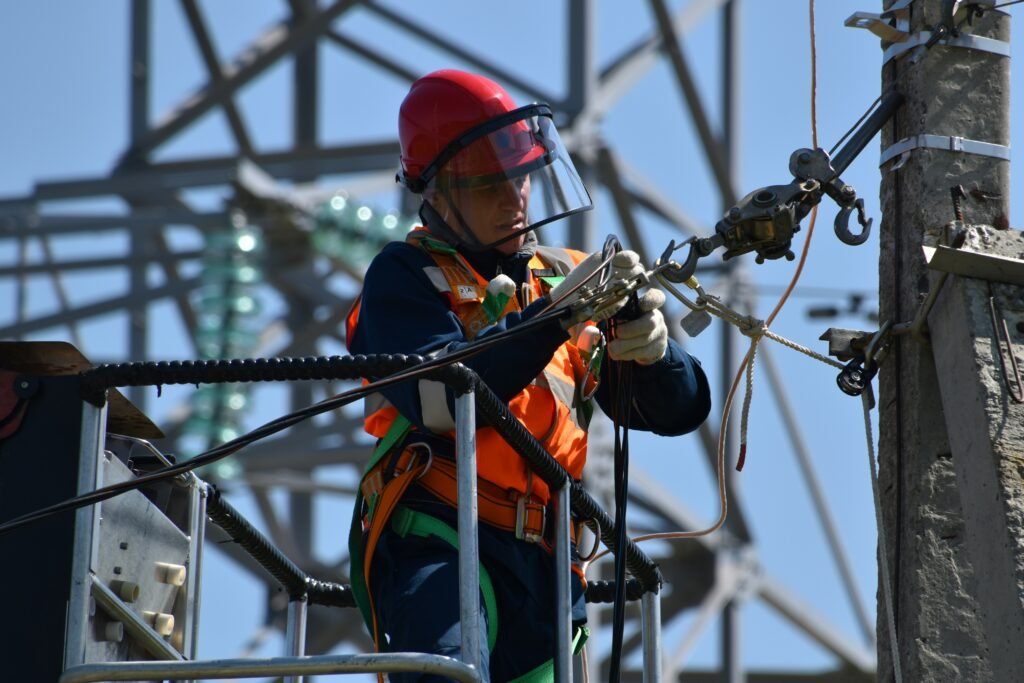

At their core, RTOs and ISOs are responsible for ensuring grid reliability. They manage wholesale electricity markets, coordinate transmission systems, and balance electricity supply and demand in real time across large geographic regions.
These entities operate under the regulatory oversight of the Federal Energy Regulatory Commission (FERC), which ensures wholesale electricity rates remain just and reasonable.
But the job is becoming significantly more complex.
The rapid integration of renewable energy, growth in electrification, expansion of AI-driven data centers, and increasing resilience concerns tied to extreme weather are placing unprecedented pressure on the grid. At the same time, many traditional baseload power plants are retiring faster than replacement generation can come online.
The result is a fundamental shift in the energy landscape, from decades of relative power surplus to tighter supply conditions and growing reliability concerns.
And as these challenges intensify, so does public scrutiny.
The Visibility Problem: Why Communication Matters
Most communities do not understand what an RTO or ISO is, why transmission infrastructure matters, or how decisions about generation and reliability impact their daily lives.
That lack of understanding creates a dangerous communication gap.
When organizations fail to explain what is happening, misinformation quickly fills the vacuum. Communities may view infrastructure projects with suspicion. Policymakers face pressure from competing narratives. Stakeholders lose trust in decisions they do not fully understand.
This is the new reality facing grid operators: public perception now directly impacts infrastructure success.
Energy organizations can no longer rely solely on technical expertise. They must also build public trust and understanding.
PJM and the Shift from “Surplus to Scarcity”
Nowhere is this challenge more visible than at PJM Interconnection, the nation’s oldest (founded in 1927) and largest grid operator spanning 13 states and Washington, D.C.
PJM is currently navigating a historic transition. Traditional generation is shifting from its historical role as the primary, continuous baseline of power to a critical reliability backstop. While interconnection delays slow the addition of new energy resources, these existing dispatchable plants remain a vital piece of the transition solution — ensuring the grid remains stable as the resource mix evolves.
Simultaneously, electricity demand is surging, particularly from energy-intensive AI data centers concentrated in regions like Northern Virginia.
This combination is pushing the grid from a period of comfortable surplus toward tighter operating conditions and increasing reliability concerns.
Naturally, stakeholders are asking difficult questions:
- Will the grid remain reliable?
- Will energy prices rise?
- Why is new infrastructure necessary?
These are not just engineering questions, they are communication challenges.
PJM’s evolving situation highlights an important concept often described as the “public-private compact.” Grid reliability depends not only on operational expertise, but also on maintaining public trust and transparency.
Without that trust, resistance grows. And when resistance grows, projects stall.
Where Energy Projects Break Down: The Communication Gap
Many energy projects do not fail because of flawed engineering. They fail because of flawed communication.
Technical terms like “capacity markets,” “ancillary services,” “curtailment,” and “interconnection queues” are commonplace within the industry, but largely inaccessible to the public. When stakeholders cannot understand the language being used, confusion and distrust follow.
Historically, many organizations operated under a “decide-announce-defend” model:
- Make the decision
- Announce the project
- Defend it against criticism
That model no longer works.
Communities now expect to be engaged earlier in the process. They want transparency, collaboration, and meaningful dialogue before projects are finalized.
When communication is reactive instead of proactive, the consequences are significant:
- Delays and lawsuits
- Community opposition
- Reputational damage
- Slower energy transition progress
The barrier to grid transformation is increasingly not technology, it is stakeholder alignment.
Public Affairs and PR as Critical Grid Infrastructure
Public affairs and PR have become as essential to energy projects as the physical infrastructure itself.
This dual communication discipline directly shapes:
- Policy Outcomes & Permitting: Navigating local regulations through public affairs.
- Media & Public Perception: Building broad narrative support through proactive PR.
- Community Acceptance: Earning the local “social license to operate” on the ground.
- Investor Confidence: Proving to capital partners that socio-political risks are managed.
Organizations that prioritize public affairs are better positioned to explain trade-offs, build trust, and navigate opposition effectively.
Building Trust Through Strategic PR
Clear, consistent, and accessible public relations campaigns help stakeholders understand why infrastructure investments are needed and how they benefit communities.
Transparency builds credibility, and credibility accelerates project progress.
Empowering Local Leaders Through Public Affairs
Mayors, county officials, and civic organizations often serve as trusted messengers within communities. Educating these local leaders about grid challenges and energy policy enables them to translate complex regional issues into tangible local benefits.
This localized understanding is critical for long-term stakeholder alignment.
Lessons from Across the Grid
Different operators across the country provide valuable lessons in communication strategy.
ERCOT: The Risks of Reactive Communication
Following Winter Storm Uri in 2021, the Electric Reliability Council of Texas became a national focus. The grid failure exposed not only operational vulnerabilities, but also communication shortcomings.
Technical, delayed, and defensive messaging damaged public trust and fueled long-term skepticism.
MISO: A More Proactive Approach
Conversely, Midcontinent Independent System Operator demonstrated the value of proactive engagement during its Long-Range Transmission Planning initiative.
By involving regulators, utilities, advocacy groups, and community representatives early in the process, MISO helped build broader understanding and support for major transmission investments.
The lesson is simple: public trust is not built during a crisis, it is built before one occurs.
A Strategic Communication Blueprint for RTOs and ISOs
To lead successfully during the energy transition, grid operators must rethink communication strategy.
Translate Complexity into Human Impact
Communities do not need to understand every technical detail of wholesale electricity markets. They need to understand how projects impact:
- Reliability
- Energy bills
- Community resilience
Engage Early and Continuously
Stakeholder engagement must be an ongoing process not a one-time announcement.
Prioritize Environmental Justice (EJ)
Grid operators must communicate transparently about how projects impact historically disadvantaged communities, ensuring equity remains part of the planning process.
Align Internal and External Messaging
Operations, legal, regulatory, and communications teams must work together to ensure consistent messaging across all channels.
Prepare for Scrutiny
Organizations should anticipate opposition, prepare for crises, and proactively address stakeholder concerns before they escalate.
The Business Case for Public Affairs
Effective public affairs is not simply about reputation management, it is a strategic advantage.
Organizations that communicate effectively benefit from:
- Faster project execution
- Reduced resistance and delays
- Stronger regulatory relationships
- Greater public trust
In today’s environment, the organizations that shape the future of the grid will not only be those that operate it effectively, but those that explain it effectively as well.
The Future of Grid Leadership
As AI demand, electrification, and energy transition initiatives continue to accelerate, communication will become even more central to grid leadership.
Public affairs must evolve from a supporting role into an integrated operational strategy.
At Hummingbird Communications, we believe that when every word and action matters, trust and transparency become the foundational currencies of the energy transition.
The Grid’s Missing Link
Infrastructure alone is not enough.
RTOs and ISOs ensure grid reliability, but strategic communication ensures stakeholder alignment, transparency, and long-term success. But strategic communication builds the human alignment, transparency, and trust required to actually construct it.
The future of energy will be shaped not only by the organizations that manage the grid, but by those that can explain it, defend it, and build trust around it.
Connect with Hummingbird Communications to build proactive public affairs and PR strategies that drive project momentum, power stakeholder alignment, and secure your social license to operate.


Recent Comments