
In 2026, conservation has evolved.
It’s no longer enough to simply raise awareness about environmental challenges. While education remains important, today’s conservation landscape demands something more—action, alignment, and trust.
Organizations are now operating in a complex environment shaped by heightened public scrutiny, regulatory pressure, and rapidly spreading misinformation. Communities, landowners, policymakers, and advocacy groups all play a role in determining whether conservation initiatives succeed or stall.
The reality is this: the most effective conservation efforts today are not just science-led—they are trust-led.
And at the center of that shift is public affairs.
From Awareness to Action: Why Traditional Conservation Messaging Falls Short

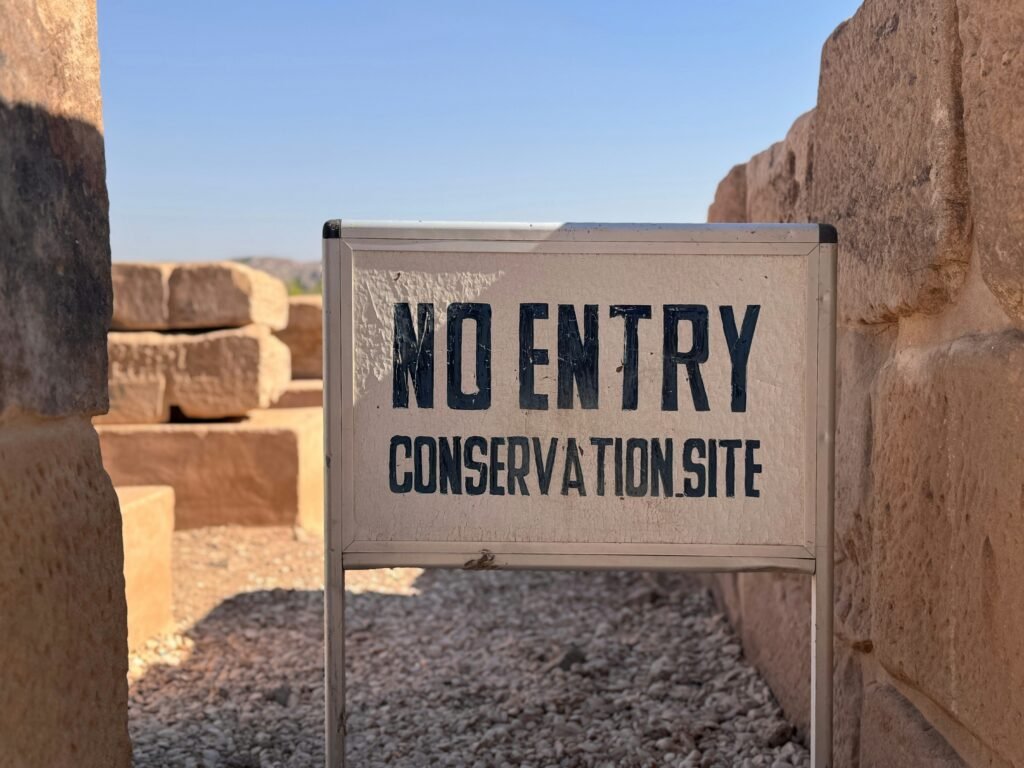
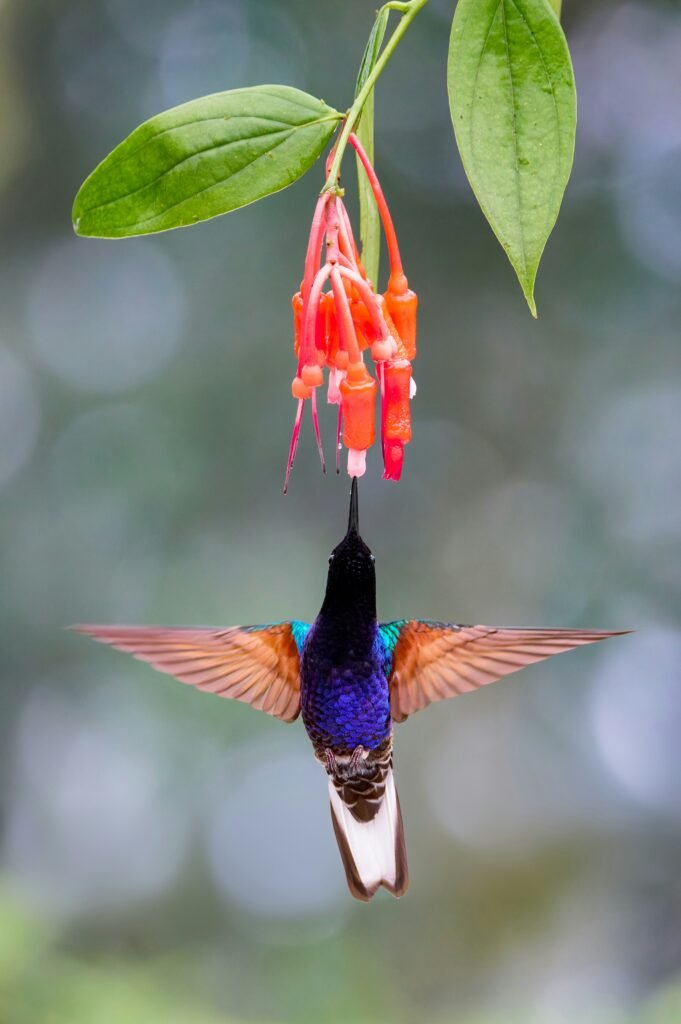
Historically, conservation efforts focused heavily on awareness campaigns—educating the public about environmental risks and hoping that knowledge would lead to behavior change.
But awareness alone doesn’t always translate into action.
Organizations often find themselves facing:
- Community hesitation or resistance
- Misalignment between scientific goals and public priorities
- Limited engagement beyond surface-level support
The gap isn’t a lack of information—it’s a lack of connection.
Scientific data, no matter how compelling, must be translated into messaging that resonates with real people, in real communities, with real concerns.
That’s where traditional approaches fall short—and where public affairs begins to make a difference.
The Role of Public Affairs in Modern Conservation
Public affairs, in a conservation context, is more than communication. It’s the integration of strategy, stakeholder engagement, and policy alignment.
At its core, it brings together:
- Clear and consistent messaging
- Targeted stakeholder outreach
- Alignment with regulatory and policy frameworks
This integrated approach allows organizations to do more than share information—they shape perception, influence decision-making, and build credibility.
Public affairs transforms conservation from a passive cause into an active, coordinated movement.
It connects the science behind conservation efforts with the people and policies needed to bring those efforts to life.
Trust as the Foundation of Conservation Success
If there’s one defining factor in modern conservation, it’s trust.
Communities today expect transparency. They want to understand not just what organizations are doing, but why and how it impacts them directly.
At the same time, skepticism is rising. Misinformation can spread quickly, and without proactive communication, even well-intentioned initiatives can be misunderstood.
Building trust requires more than a single message—it requires consistency over time.
Effective organizations prioritize:
- Transparent and honest communication
- Early and proactive stakeholder engagement
- Alignment between messaging and action
When trust is established, something powerful happens:
- Communities become partners, not obstacles
- Policymakers gain confidence in supporting initiatives
- Individuals are more likely to adopt conservation behaviors
Trust leads to action. And action drives impact.
Stakeholder Engagement: Turning Insight into Influence
No two communities are the same. That’s why effective conservation strategies begin with understanding the people involved.
Stakeholder mapping and community assessments play a critical role in this process. They help organizations identify:
- Who holds influence
- What concerns or priorities exist
- Where opportunities for alignment can be found
Key stakeholders often include:
- Landowners
- Local communities
- Regulatory agencies
- Advocacy organizations
By understanding these groups, organizations can move from generic messaging to tailored engagement strategies.
Instead of reacting to opposition, they can anticipate it. Instead of delivering one-size-fits-all communication, they can speak directly to stakeholder needs.
This shift—from outreach to relationship-building—is where public affairs delivers real value.
For Hummingbird Communications, this data-driven approach ensures that every message is grounded in real insight, helping clients build credibility while strengthening long-term relationships.
Conservation Organizations Leading the Way
Across the conservation space, leading organizations are already embracing this shift.
Groups such as the World Wildlife Fund, The Nature Conservancy, and regional alliances like the Northern Virginia Bird Alliance are demonstrating what modern conservation looks like.
Their success is not just rooted in scientific expertise—but in how they engage communities, advocate for policy, and communicate transparently.
They prioritize:
- Community partnerships that foster shared ownership
- Policy engagement that aligns environmental goals with public priorities
- Messaging strategies that build trust and clarity
These organizations understand that science alone doesn’t drive change—people do.
And people respond to trust.
Combating Misinformation and Shaping Public Perception
One of the greatest challenges facing conservation today is misinformation.
Complex environmental initiatives can easily be misunderstood, leading to confusion, skepticism, or outright opposition.
Without a clear and proactive communication strategy, organizations risk losing control of their narrative.
Public affairs helps address this challenge by:
- Delivering clear, consistent messaging
- Engaging stakeholders early in the process
- Creating transparency around goals, impacts, and outcomes
This approach allows organizations to stay ahead of potential concerns rather than reacting to them after the fact.
The result?
- Reduced resistance
- Stronger credibility
- Greater alignment between stakeholders and conservation goals
Driving Measurable Outcomes: From Messaging to Impact
At its best, public affairs doesn’t just improve communication—it drives results.
When done effectively, it leads to measurable outcomes across three key areas:
1. Behavioral Change
Communities become more engaged, participating in conservation efforts and adopting sustainable practices.
2. Policy Influence
Organizations gain stronger alignment with local and state priorities, increasing support for conservation initiatives.
3. Long-Term Sustainability
Trust and engagement don’t end after one project—they create a foundation for future success.
Public affairs ensures that conservation efforts are not just heard—but acted upon.
The Hummingbird Approach: Turning Purpose into Progress
At Hummingbird Communications, the focus is on helping organizations move from intention to impact.
Through integrated strategic communications, Hummingbird supports clients by:
- Developing stakeholder engagement frameworks grounded in real insight
- Aligning messaging with policy and regulatory landscapes
- Building trust through consistent, transparent communication
This approach ensures that conservation initiatives are not only understood—but supported.
By bridging the gap between environmental goals and stakeholder expectations, Hummingbird helps organizations create meaningful, measurable outcomes.
The Future of Conservation Is Trust-Led
As conservation continues to evolve, one thing is clear:
Success will depend on more than science.
It will depend on trust, alignment, and action.
Organizations that invest in strategic public affairs will be better positioned to navigate complexity, engage stakeholders, and drive real-world impact.
Because while science informs—Trust activates.
Discover how Hummingbird Communications helps conservation organizations turn stakeholder trust into measurable environmental impact. Connect with Hummingbird Communications and learn how integrated public affairs strategies turn purpose into progress.


Recent Comments