
Modern organizations face a unique challenge: communicating with stakeholders that simultaneously span Baby Boomers, Generation X, Millennials, and Generation Z. Whether engaging employees, customers, community members, or business partners, leaders are dealing with audiences that don’t just consume media differently—they hold entirely distinct expectations for corporate transparency, leadership, and digital engagement.
Navigating this landscape requires moving past generational stereotypes. The goal of a sophisticated communications strategy isn’t to fracture your message into distinct silos, but to find the common threads of trust. Ultimately, effective multigenerational communication means discovering how to make a message resonate across every generation without compromising what your organization stands for.
Understand Generations Without Stereotyping Them
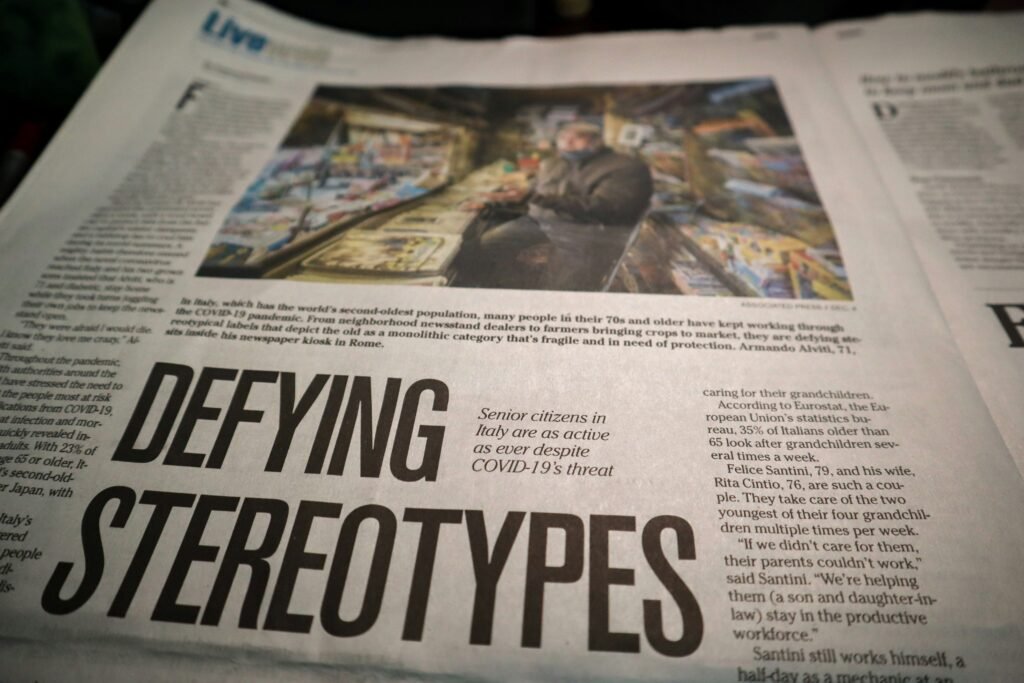
While generational categories offer valuable insights into broad communication trends, they should never be treated as rigid audience profiles. Age alone rarely dictates communication preferences. An individual’s digital literacy, profession, geography, culture, and life stage play equally critical roles in shaping how they want to receive information.
Real-world stakeholders constantly defy neat demographic boxes. A Baby Boomer executive may prefer the speed of digital channels, while a Gen Z consumer might deeply value an authentic, in-person engagement. Similarly, two Millennials within the same organization can hold entirely distinct information needs based purely on their corporate roles.
The objective of a sophisticated strategy is not to predict behavior based solely on a birth year. Instead, forward-thinking organizations use generational data to ask better questions about their audience, rather than assuming they already have the answers.
Understanding the Multigenerational Communications Landscape
While every individual is different, understanding potential generational patterns can help organizations develop more flexible communications strategies. Instead of using these insights as rigid guidelines, forward-thinking organizations treat them as a flexible framework for multi-channel engagement:
- Baby Boomers: Context and Directness. This group values detailed information, established sources, direct communication and opportunities to ask questions. Email, phone conversations, and face-to-face engagement remain important, alongside accessible digital options.
- Generation X: Utility and Autonomy. Time is the primary driver for Generation X. They want practical, fluff-free updates and the freedom to access information on their own terms. Keep messages short, hit the main point immediately, and back up your claims with solid evidence.
- Millennials: Purpose and Dialogue. For this group, communication must feel transparent and connected to a clear organizational mission. They look for authentic, two-way channels where they can actively participate in the conversation rather than just being talked to.
- Generation Z: Immediacy and Depth. Growing up with short-form, mobile-first media means Gen Z expects fast, highly visual communication. However, a preferencde for brief content shouldn’t be mistaken for a lack of interest in substance. Engage their attention on modern platforms, but always provide an instant path to deeper documentation.
These insights represent potential communication patterns, not universal characteristics. The most resilient communication strategies build bridges across all four dynamics simultaneously.
Adapt the Delivery, Not the Organizational Truth
Multigenerational communication does not require an organization to create a different identity for every audience; it simply requirew multiple pathways for delivering the same core message.
Consider a major organizational announcement. One stakeholder group might read a detailed website article, while another skims a short email. At the same time, Millennial and Generation Z stakeholders may watch an executive video or social media post, while priority partners participate in a direct community meeting. The format, length, and level of detail will naturally change to fit the platform, but the core facts must remain the same.
Using different channels should never mean changing your core story. Stakeholders must never encounter conflicting organizational priorities, commitments, or facts simply because they chose a different communication platform.
Build a Multichannel Communications Ecosystem
Organizations sometimes lose traction searching for a single “right” platform to reach an audience. A much stronger approach is to build multiple, interconnected pathways to credible information.
A robust multigenerational strategy maps digital channels — like email, video, newsletters, and social media — alongside high-touch channels like virtual briefings and face-to-face conversations. This approach does not mean your organization needs to communicate everywhere at once.
The objective is simply to be present where your priority stakeholders already look for updates, designing a channel mix driven by real audience research rather than unverified assumptions about age.
Give Stakeholders Different Levels of Depth
Channel preference is only part of the equation; stakeholders can also differ in how much information they want. Implementing a layered communications strategy allows an organization to address these varied needs within a single, cohesive approach.
This approach starts with an accessible overview that provides an immediate understanding of the core message. From there, organizations build out a secondary layer of context — such as FAQs, articles, or brief videos — before ultimately providing a final layer of deep-dive documentation, including technical reports, full policies, and data.
By structuring information this way, one stakeholder can quickly grasp the essential takeaway, while another can seamlessly explore the background details in depth, achieving greater operational flexibility without sacrificing transparency.
Listen to How Stakeholders Want to Communicate
Instead of relying on generational assumptions, modern leaders gather direct insights straight from their stakeholders. The objective is to understand which channels your audience actually uses, what information they value most, and the exact formats — whether written, visual, or interactive — they trust.
Leveraging tools like surveys, stakeholder interviews, employee feedback loops, digital analytics, and social listening helps replace guesswork with clear, actionable data. Ultimately, communication preferences are not a matter of guesswork — they must be measured rather than assumed.
Trust Is Built Differently, but the Fundamentals Remain the Same
Communication habits evolve across generations, but the foundational principles of trustworthy engagement remain remarkably consistent. No matter the audience, true credibility is anchored in uncompromising accuracy, transparency, responsiveness, and accountability.
An organization can adopt the newest social media platform or digital channel and still lose credibility if its underlying messaging is inaccurate or inconsistent. Conversely, a traditional delivery channel remains exceptionally powerful when it provides verified, high-value information that matches the audience’s expectations.
Platforms and channels will always change; the core fundamentals of trustworthy communication do not.
Avoid the Generational Communications Trap
A generational strategy becomes counterproductive when assumptions replace real audience research. True strategic communication means moving past broad generalizations — whether that means abandoning traditional channels simply because a newer alternative exists, or refusing to chase digital trends that fail to align with actual stakeholder needs.
This approach requires nuance at both ends of the communication spectrum. Organizations must protect the substance of its message rather than oversimplifying data for digital-first audiences, just as they must avoid assuming that those who prefer traditional channels are uncomfortable navigating digital platforms.
Most critically, multi-channel flexibility must never dilute message integrity. Changing core facts or altering priorities across platforms leaves different audiences with conflicting information.
Ultimately, segmentation is a tool for precision: personalization must improve relevance, not reinforce stereotypes.
Don’t Forget the Multigenerational Workforce
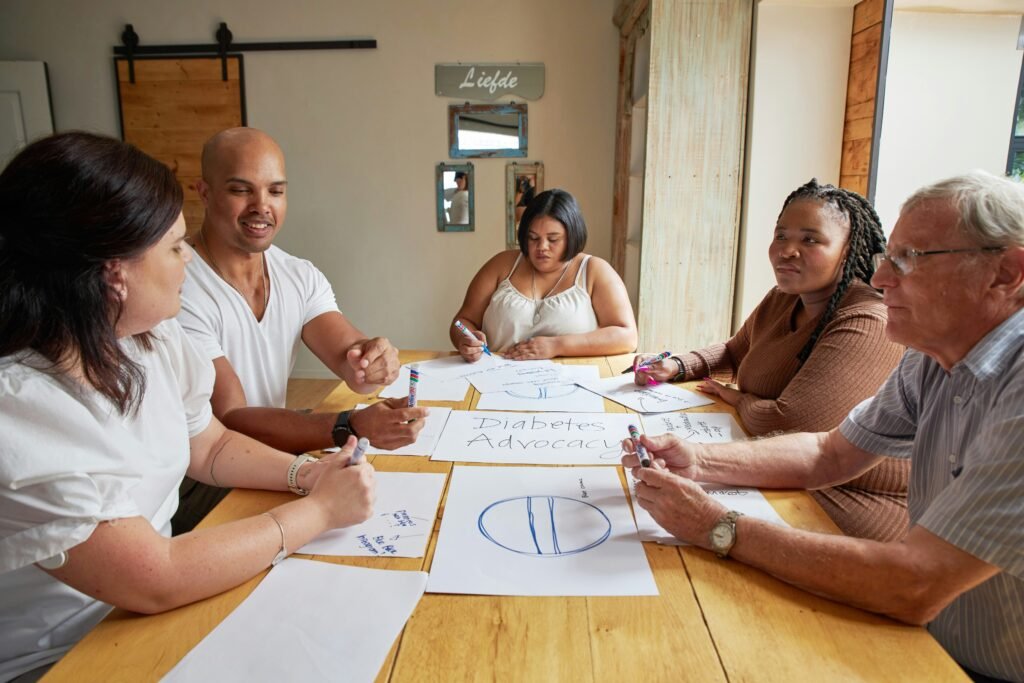
Internal stakeholders are no different from external audiences; employees differ significantly in how they consume company updates, interact with leadership, and collaborate with their peers. Building multiple pathways to important information requires blending executive-led digital updates — such as leadership emails, video messages, and portal updates — with high-touch engagements like team meetings and town halls.
Within this internal framework, managers and team leaders play an important role. They act as essential translators, filtering organization-wide announcements into direct, relevant, meaningful conversations that make sense for individual teams.
The core objective remains aligned with your external strategy: provide accessible, multi-channel pathways to information without creating conflicting messages.
Measure What Resonates
A multigenerational communications strategy must evolve based on evidence rather than static assumptions. True accountability means evaluating more than just basic delivery metrics; organizations must actively track message comprehension, audience engagement, and lasting organizational trust.
The goal is not to validate generational stereotypes, but to identify which communication pathways actually work. No matter how a stakeholder chooses to access an update, the core message must remain consistent.
Different Preferences, Shared Need for Trust
Communicating across generations does not require four completely different communications strategies. Instead, it requires organizations to understand their audiences well enough to know when to adapt, what to modify and what must remain consistent.
Resilient organizations combine broad generational insights with direct stakeholder research, data, and continuous listening. They adapt delivery channels and layer information formats while remaining uncompromised in their foundational facts, values, and commitments.
Effective multigenerational communication is not about choosing between an email, meeting, video or social media post. It is about ensuring every stakeholder segment has a credible pathway to the information, engagement and relationship necessary to build trust.
Discover how a multigenerational communications strategy from Hummingbird Communications can help your organization understand audience preferences, adapt engagement approaches, protect your message integrity, and build stronger relationships and trust across every generation.


Recent Comments