
Environmental cleanup projects can be technically complex, lengthy and highly consequential for surrounding communities.
Residents and other stakeholders may have questions about potential health and environmental risks, cleanup methods and timelines, property impacts, regulatory requirements and what the site will ultimately become. Their concerns may also be shaped by past experiences with the site, responsible parties, government agencies or other institutions.
Technical progress alone does not automatically create public confidence. Organizations must communicate throughout the remediation process in ways that help stakeholders understand what is happening, provide meaningful opportunities for participation and demonstrate that community concerns are being taken seriously.
Why Public Trust Matters During Environmental Cleanup

Environmental remediation can involve uncertainty, changing conditions and decisions that evolve as additional information becomes available.
Stakeholders may want to know what contamination has been identified, whether there are potential risks to health or the environment, what is being done, who is responsible for the cleanup and how long remediation may take. Just as importantly, they may want to know how they can ask questions or raise concerns.
When organizations communicate only when required or after controversy develops, information gaps can be filled by speculation, misinformation or distrust.
Trust is easier to maintain when stakeholders have access to credible information and established channels for engagement before difficult questions or unexpected developments arise.
1. Communicate Early, Consistently and Transparently
Organizations should not wait until every technical question has been answered before beginning community engagement.
Early communication can explain what is known, what remains under investigation, what happens next and when stakeholders can expect additional information. As remediation progresses, organizations should establish a predictable communications cadence rather than relying solely on major regulatory milestones or public meetings.
Project webpages, community updates, fact sheets, frequently asked questions, email or text notifications, public meetings, stakeholder briefings and designated community contacts can provide multiple pathways to credible information.
Transparency also requires acknowledging uncertainty. When information is incomplete, organizations should say so and explain what is being done to obtain answers.
Credibility does not require having every answer immediately. It requires being clear about what is known, what is not yet known and what will happen next.
2. Make Complex Environmental Information Understandable

Environmental cleanup frequently involves scientific data, technical terminology and regulatory processes that may be unfamiliar to the public.
Terms involving exposure pathways, risk assessments, groundwater monitoring, remediation technologies or regulatory standards may be routine for technical teams but difficult for other stakeholders to interpret.
Effective environmental communications should translate, not oversimplify, complex information. Plain language, maps, site diagrams, timelines and visual explanations can make technical information more accessible. Detailed technical resources can then be made available for stakeholders who want additional information.
Risk communication is particularly important. Organizations should neither exaggerate nor minimize environmental risks. Communications should accurately convey what is known, what remains uncertain and what actions are being taken to evaluate or address potential risks.
The goal is to provide credible, understandable information that helps stakeholders evaluate what is happening and make informed judgements.
3. Make Community Engagement a Two-Way Process
Public participation should involve more than presenting information to the community.
Residents, local officials, businesses and community organizations may have valuable knowledge about the site, neighborhood history, community priorities and potential concerns. Meaningful engagement creates opportunities for these stakeholders to ask questions, raise concerns and provide input.
Stakeholder mapping, listening sessions, public meetings, small-group discussions, surveys, community advisory groups and direct engagement with community leaders can all contribute to a more inclusive process.
Potential barriers to participation should also be considered, including language, disability access, meeting schedules, transportation and digital access.
Most importantly, engagement requires closing the feedback loop. Organizations should explain what they heard, how input was considered, what changed and, when appropriate, why certain recommendations could not be adopted.
Listening does not require agreeing with every stakeholder request. It requires demonstrating that community input was genuinely heard, considered and addressed.
4. Demonstrate Accountability Through Progress and Follow-Through
Trust depends on more than promises.
Stakeholders need opportunities to see whether commitments are being fulfilled and whether cleanup is progressing. Organizations should communicate relevant milestones, monitoring results, schedule changes, corrective actions and other meaningful developments throughout the project.
When plans change, explain why. When unexpected conditions arise, communicate what is known and how the issue is being addressed. When commitments are made, establish a process for reporting progress against them.
Accountability also means helping stakeholders understand who is responsible for what. Clearly explaining the respective roles of responsible parties, environmental consultants, contractors, regulators and others can reduce confusion and help stakeholders know where to direct questions.
Accountability becomes visible when stakeholders can see a consistent connection between an organization’s commitments and its actions.
5. Maintain Engagement Throughout the Cleanup Lifecycle
Environmental cleanup projects can extend for years. Community engagement should not disappear between major milestones.
Stakeholders can change. Community concerns can evolve. New residents or businesses may know little about earlier decisions, and new technical findings may alter the cleanup approach.
Organizations should periodically reassess who their priority stakeholders are, what questions are emerging, whether communications channels remain effective and accessible, and whether community sentiment is changing.
Sustained engagement becomes especially important as projects transition from investigation to active remediation, long-term monitoring, redevelopment or site reuse.
Organizations should work to maintain community trust across the entire remediation life cycle, not only when a public meeting is scheduled or controversy emerges.
These five strategies are most effective when supported by two ongoing disciplines: preparing for difficult questions and measuring whether engagement is sustaining stakeholder confidence. Both should continue throughout the remediation process..
Prepare for Difficult Questions
Effective environmental communications also require preparation.
Communications professionals should work closely with technical, legal, regulatory, operational and leadership teams to anticipate questions about health and environmental risk, cleanup delays, unexpected contamination, changes in remediation strategy, property concerns, environmental justice considerations and future site use.
Preparation should not mean scripting away uncertainty or avoiding difficult subjects. It means ensuring the organization can respond accurately, consistently and responsibly when questions arise.
Different stakeholders may also define progress differently. Technical teams may look to sampling results, remediation milestones or regulatory approvals. A nearby resident may have more immediate questions: Is my family safe? Is the site improving? Is someone listening to my concerns? Will the organization follow through?
The underlying facts should remain consistent, but communications should address the legitimate concerns of each audience.
Measure Trust, Not Just Communications Activity
Website visits, meeting attendance and email open rates can indicate whether communications are reaching stakeholders. They do not necessarily indicate trust.
Organizations should also examine whether stakeholders understand the cleanup process, know where to obtain credible information, believe their concerns are being heard, view project communications as transparent and believe commitments are being fulfilled.
Qualitative feedback from stakeholder conversations can reveal concerns, misunderstandings and changes in sentiment that traditional communications metrics may not capture.
The objective is not simply to determine whether information reached the community. It is to understand whether communication and engagement are supporting informed participation and credible relationships.
PublicTrust Is Earned Throughout the Remediation Process
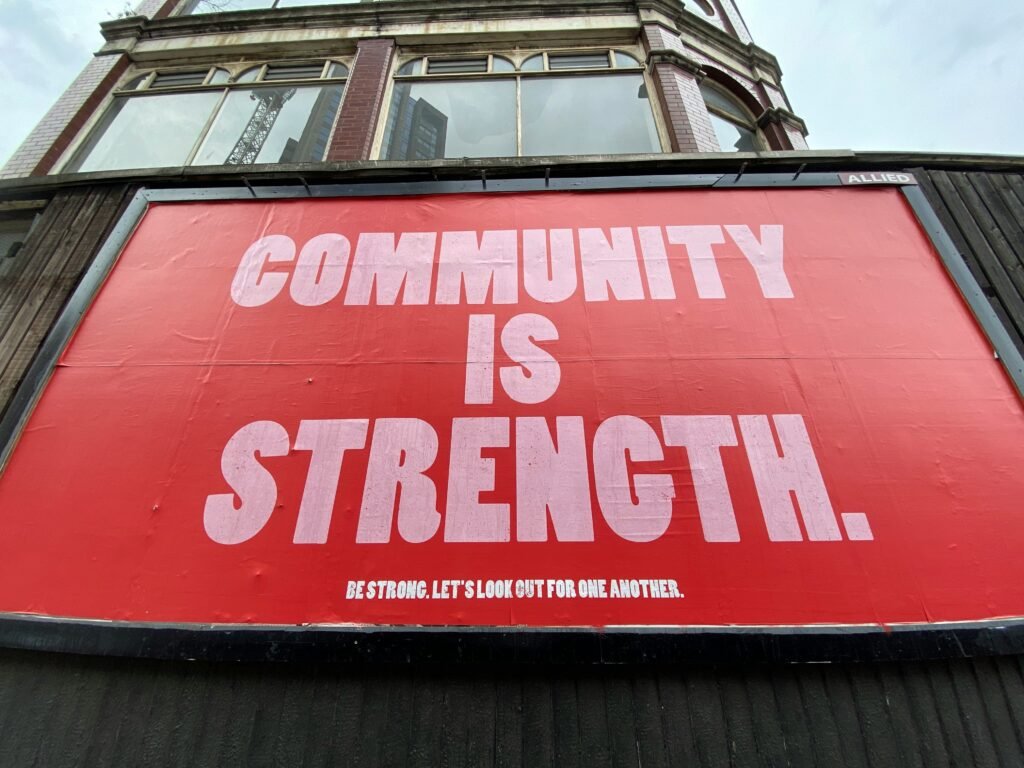
Environmental cleanup can require sophisticated science, engineering and regulatory expertise. Successful remediation also requires sustained relationships with the people and communities affected by the work.
Regulatory compliance is essential, but compliance alone does not create public trust. Transparency, responsiveness, accessibility and consistent follow-through matter as well.
Organizations cannot guarantee that every stakeholder will agree with every cleanup decision. Nor should communications attempt to eliminate legitimate questions or concerns.
The stronger approach is to treat communication and community engagement as integral to the remediation process rather than activities reserved for regulatory milestones or moments of controversy.
Public trust is not a communications deliverable at the end of an environmental cleanup. It is earned and maintained through the decisions, communications and actions stakeholders experience throughout the remediation process.
Visit Hummingbird Communications’ website for more on environmental communications, stakeholder engagement and building credible community relationships.


Recent Comments