
Brownfield redevelopment can affect communities in different ways. Nearby residents, property owners, businesses, local officials, community organizations and others may bring different experiences, priorities and concerns to the same project.
Organizations often turn to community leaders to help them understand those perspectives. But identifying the most visible, vocal or accessible stakeholders is not the same as understanding the community.
Trust and influence can vary across a community, and people who hold formal leadership positions may not be the only ones others turn to for information, perspective or guidance.
The challenge is not simply determining who speaks. It is understanding who is trusted, by whom, on what issues and why.
No single individual or organization should automatically be treated as the voice of a community. Effective stakeholder engagement requires multiple perspectives and multiple pathways for participation.
Why Trusted Voices Matter in Brownfield Redevelopment
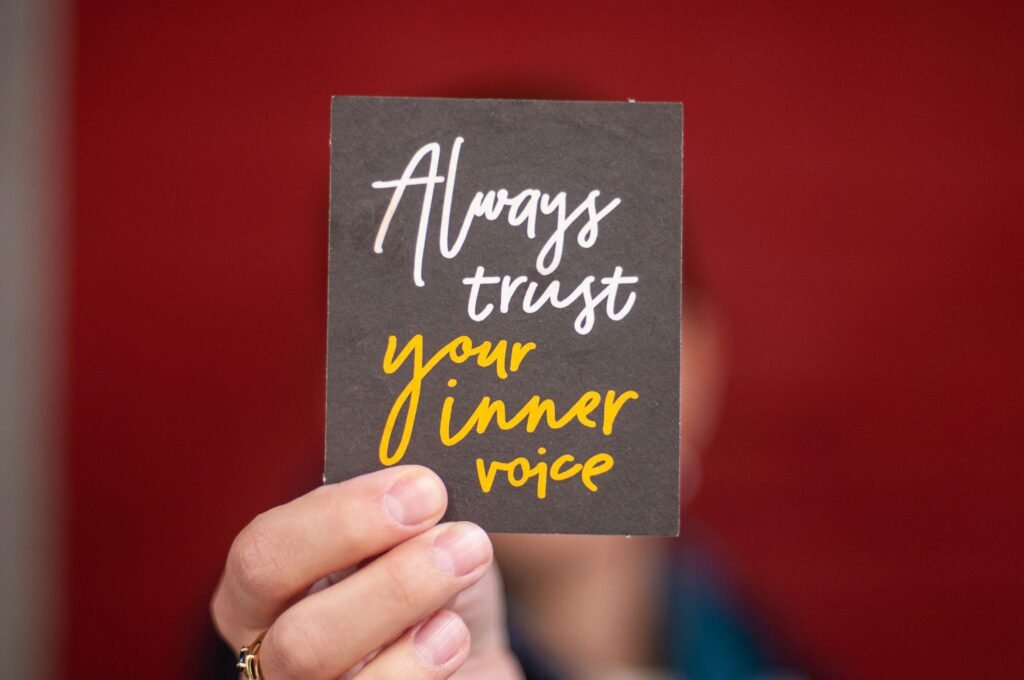
Brownfield sites can have complicated histories and equally complicated futures. A property may be associated with former employment, economic decline, environmental contamination, neighborhood identity or previous promises about cleanup and redevelopment.
Different stakeholders may therefore approach the same project with very different experiences and levels of trust.
Trusted community voices can help organizations understand local history, identify concerns that may not emerge through formal channels, recognize barriers to participation and understand how different stakeholders perceive a project.
But community leaders should not simply be recruited to deliver an organization’s message. They are most valuable as sources of insight and partners in meaningful engagement.
Five practices can help organizations identify and engage trusted voices while maintaining opportunities for broader community participation.
1. Start With Stakeholder Mapping, but Go Beyond the Usual List
Traditional stakeholder mapping often begins with the obvious participants: elected officials, regulatory agencies, neighborhood associations, business organizations and established nonprofits.
Those groups matter, but effective stakeholder mapping should go further.
Who lives closest to the site? Who may be affected by cleanup or construction activity? Who has historical knowledge of the property? Who may benefit from redevelopment? Who could experience unintended impacts?
Organizations should also ask who has historically participated in community decisions and who has not. Which organizations have established community relationships? Where do residents turn for credible local information? Whose perspectives may be missing?
A useful stakeholder map identifies more than formal influence. It also considers relationships, credibility and lived experience within the community.
2. Understand That Trust Is Relational

Trust is rarely uniform across an entire community.
An elected official may be highly credible with some stakeholders but less influential with others. A neighborhood leader may understand one part of the community exceptionally well but have limited relationships elsewhere.
Faith leaders, small-business owners, educators, nonprofit leaders, longtime residents, youth advocates and others may each have credibility with different groups.
Organizations therefore should not ask only, Who are the community leaders?
They should also ask, Who trusts them, on which issues and why?
Understanding these relationships can provide a more accurate picture of how information moves through a community and where additional engagement may be needed.
Influence and trust are not interchangeable. Visibility does not necessarily equal credibility.
3. Look Beyond the Loudest Voices
Public meetings and other formal engagement processes can unintentionally favor people who have the time, transportation, confidence, language access or familiarity with civic processes needed to participate.
As a result, high participation from a particular group should not automatically be interpreted as representative participation.
Organizations should consider who may be missing, including people unable to attend scheduled meetings, individuals with limited digital access, non-English-speaking residents, renters, younger stakeholders or those who do not typically participate through formal civic structures.
Small-group conversations, multilingual outreach, surveys, interviews, one-on-one discussions and engagement at existing community events can provide additional pathways for participation.
The most visible participants are important stakeholders. But they may not represent everyone affected by the project.
4. Engage Trusted Voices Early, Not Only When Support Is Needed
Community leaders can recognize when an organization approaches them primarily because it wants an endorsement, meeting attendance or help addressing opposition.
That approach can undermine rather than strengthen trust.
Organizations should begin building relationships early enough to understand community priorities before major decisions are finalized.
Early conversations can provide insight into the community’s history with the site, existing perceptions, questions already circulating, preferred communications channels, barriers to participation and priorities for cleanup and reuse.
Trusted relationships are more credible when they are built before an organization needs something from the community.
5. Treat Trusted Voices as Partners, Not Proxies
A trusted community leader can provide valuable perspective, but that individual should not become a substitute for broader public participation.
Consulting several prominent stakeholders does not necessarily mean the community has been consulted.
Instead, trusted leaders can help organizations identify additional voices, understand participation barriers and create more effective opportunities for engagement. They may also provide insight into how technical information or project developments are being understood within different parts of the community.
Trusted voices should open doors to broader engagement, not close the process around a small group of familiar participants.
Organizations should also avoid treating support from a respected civic leader, nonprofit or neighborhood association as evidence of broader community consensus. Likewise, opposition from one highly visible stakeholder should not automatically be characterized as widespread community opposition.
Credibility requires distinguishing among individual support, organizational support and broader community sentiment.
Close the Loop With the Community

Identifying and listening to trusted voices is only part of meaningful engagement. Organizations should also demonstrate how stakeholder input influenced the redevelopment process.
What did stakeholders raise? What did the organization learn? What changed? What could not change, and why? What happens next?
Closing the loop should extend beyond the leaders who participated directly. The broader community should also have access to information about how stakeholder perspectives were considered.
People are more likely to remain engaged when they can see how their participation contributes to the process..
Keep Asking Who May Be Missing
Brownfield redevelopment can extend across assessment, cleanup, planning, construction and eventual reuse. The stakeholder landscape can change throughout that process.
New residents may arrive. Community leadership may change. Businesses may open or close. New concerns may emerge as a project moves from environmental cleanup into redevelopment.
Organizations should periodically revisit their stakeholder mapping and ask two simple but important questions:
Are we still hearing from a broad range of stakeholders? Who might we still be missing?
Engagement should also be measured by more than meeting attendance or the number of stakeholder contacts. Organizations should consider whether different segments of the community are participating, whether previously underrepresented stakeholders are becoming involved, whether people believe their concerns are being heard and whether stakeholder input is influencing decisions where appropriate.
Effective engagement is not simply about how many people participate. It is about whether the organization is hearing a sufficiently broad range of perspectives to make informed decisions.
Trusted Voices Should Broaden the Conversation
Brownfield redevelopment requires organizations to understand more than the technical conditions of a site. They also need to understand the community surrounding it.
Trusted community leaders can provide valuable insight, context and relationships. But no elected official, neighborhood leader, business owner, nonprofit executive or faith leader should automatically be expected to represent everyone.
The objective is not to identify a handful of people who can speak for the community. It is to build an engagement strategy that enables organizations to listen across the community.
That means mapping relationships, understanding where trust resides, reaching beyond familiar participants, removing barriers to engagement and continuing to reassess whose perspectives may be missing.
Trusted voices are most valuable when they help broaden the conversation, strengthen participation and deepen an organization’s understanding of the community. They should not become substitutes for the community itself.
Visit Hummingbird Communications’ website for more strategies to help your organization identify trusted community voices, broaden participation and build stronger relationships throughout the brownfield redevelopment process.


Recent Comments